

How Do Tire Pressure Monitors Work ?
Tire pressure monitoring system (TPMS), designed to notify the driver if the tire pressure falls below a predetermined level, is called tire pressure monitoring system. There are two main types: indirect or direct.
Direct TPMS is a system that uses sensors inside tires to measure the tire pressure and transmit it to the vehicle’s on-board computer. These sensors require small batteries which may need replacing periodically.
Indirect TPMS utilizes the ABS (anti-lock brake system) sensors of the vehicle to estimate tire pressure based off the rotational speed. This type TPMS is not as accurate as direct TPMS but is more affordable to install and maintain.
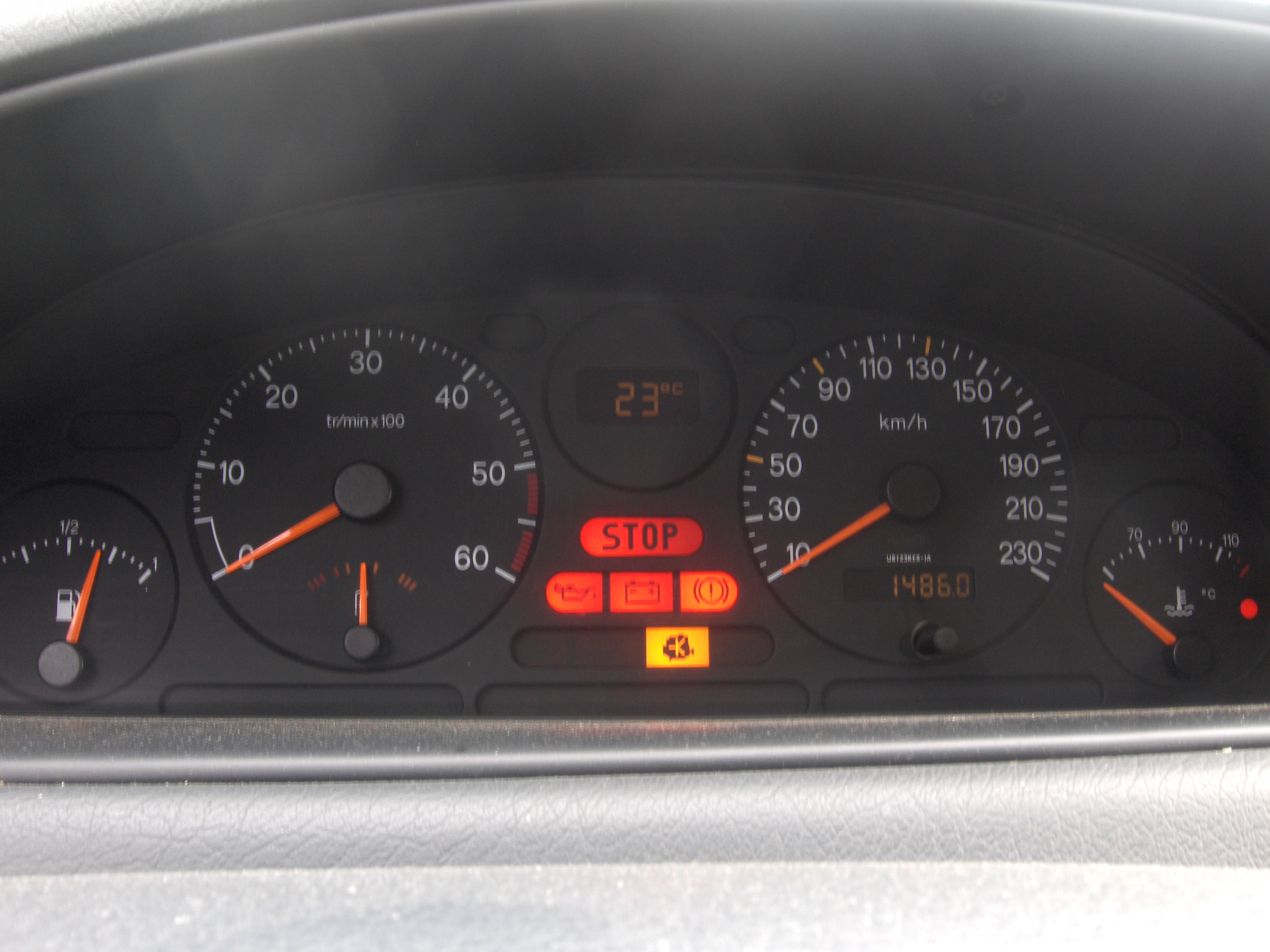
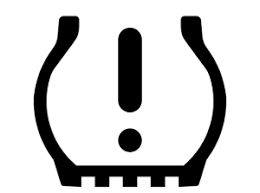
No matter the type of vehicle’s TPMS, the on-board computer of the vehicle receives tire pressure data. It then compares this to a preset pressure range. If one or more tires have pressures that are outside the range, the TPMS will either display a warning light on the dashboard or emit a visual or audible signal to the driver.
TPMS helps improve vehicle safety. It alerts the driver to an underinflated tire, which can lead to poor handling and decreased fuel efficiency. They can also help to prevent tire damage, which could be dangerous at high speeds.
How Much Does It Cost To Replace A TPMS System If They Fail
The cost of replacing a tire monitoring system (TPMS), may vary depending upon several factors.
The TPMS sensors must be replaced every time the tires are replaced. The cost to replace a sensor in TPMS can be between $50 and $100, depending upon the vehicle make and model.
Mounting the TPMS sensors on the wheel may make them more costly to replace. The cost to replace a rim mounted TPMS sensor is between $100 and $200, depending on which vehicle you are using.
Additional to the cost for the sensors, labor costs may be involved in replacing the TPMMS. The cost of the sensors installed in tires will increase if they need to removed from the tires and remounted.
The total cost of replacing an TPMS is likely to range between a few hundred and more than $1000 depending upon the number of sensors to be replaced as well as the type of the TPMS. It’s always a good idea for a certified mechanic to give an accurate estimate of how much it will cost to replace a damaged TPMS.
Another factor of course is the labor rates in your area. Labor rates in repair shops in dealerships and large chains have risen in recent years. Smaller “mom and pop” shops may have better rates.
Why Is Having The Correct Tire Pressure So Important
There are many reasons why maintaining the right tire pressure is important:
Safety: Low tires can result in poor handling and stability which can increase the likelihood of accidents. Tires with too much pressure can create a rough ride that is more likely to burst.
Tire wear: Tires that have been underinflated tend to wear quicker, especially at the edges. This is because they carry more weight. Because they do not make full contact with roads, overinflated tires can wear faster in the middle.
Fuel efficiency: Overinflated tires can increase fuel consumption. This is because they cause more resistance, which causes the engine to work harder. Fuel efficiency can be improved by maintaining the right tire pressure.
Comfort: Tires that are properly inflated can provide a smoother ride, as they absorb shocks better.
It is crucial to keep your tires inflated to make sure that your vehicle operates safely, efficiently, and comfortably. It is a good idea that you check your tire pressure on a regular basis and that you fill or deflate your tires when necessary.