

As the temperature starts to drop and the snow begins to fall, it’s important to take extra care of your vehicle to ensure it stays in top condition. Winter can bring a host of additional challenges for car owners, from icy roads and frigid temperatures to salt and sand on the roads. By being proactive and addressing potential issues, you can help ensure your car stays safe and reliable throughout the winter months.
Cold Weather and Car Batteries
One of the most common winter car problems is a weak or failing battery. Cold weather can put extra strain on car batteries, making them more likely to fail. If your battery is already weak, the cold weather can be the final straw that causes it to give out completely. To avoid being stranded with a dead battery, it’s important to take steps to maintain and extend the life of your battery.
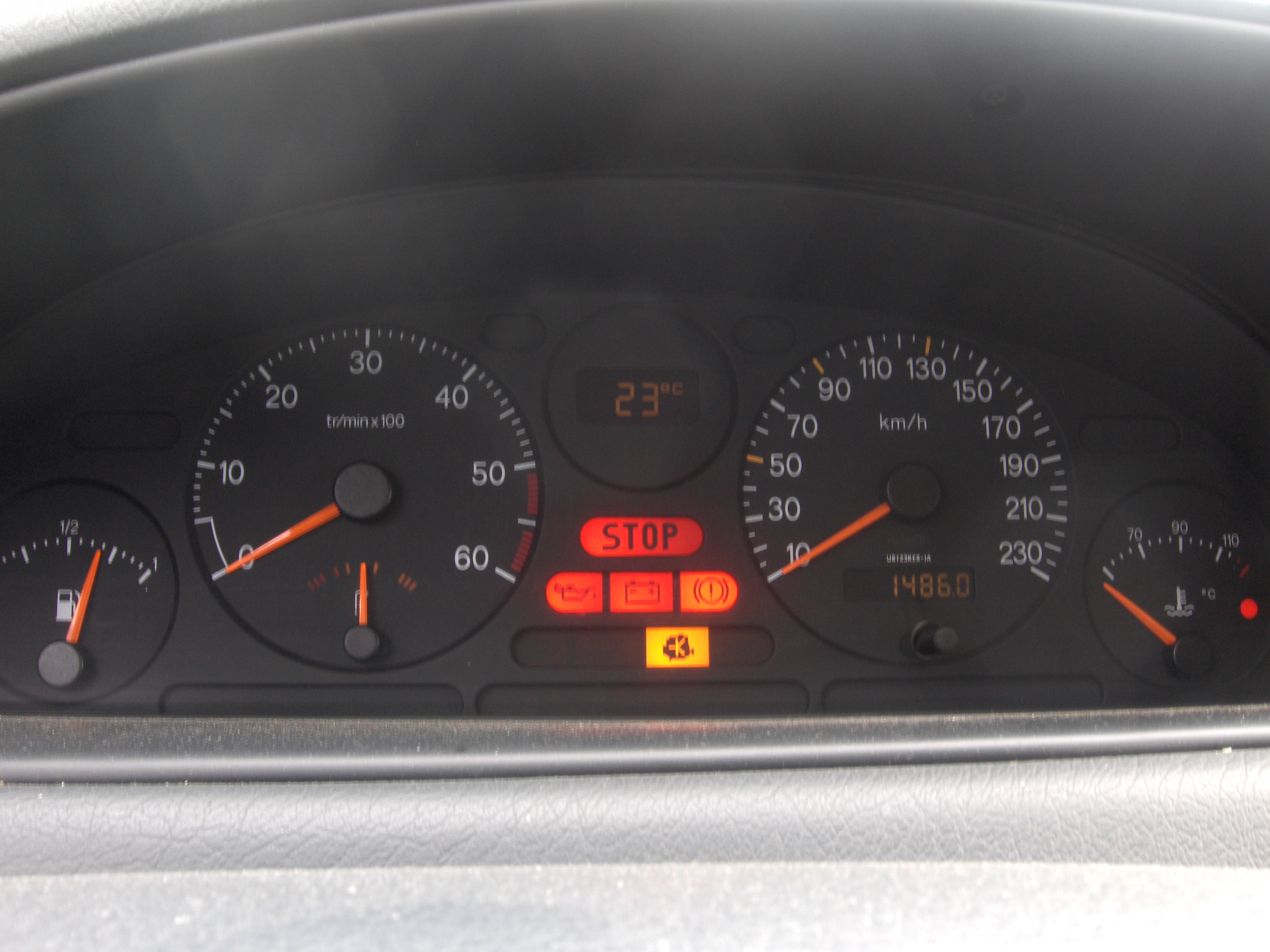
Signs of a weak or failing battery include slow engine crank when starting the car, dim or flickering headlights, and a dashboard warning light. If you notice any of these issues, it’s a good idea to have your battery tested and possibly replaced before the cold weather hits.
To help extend the life of your battery, try to keep it charged as much as possible by driving regularly and avoiding short trips. You should also ensure that your battery is properly secured and clean, as loose connections or dirty terminals can cause issues. If you’re going to be leaving your car inactive for an extended period of time, it’s a good idea to invest in a battery maintainer or tender to keep the battery charged.
Frozen Pipes and Hoses
Another common winter car problem is frozen pipes and hoses. When the temperature drops below freezing, the water inside pipes and hoses can freeze and expand, causing them to burst. This can lead to costly repairs and can even cause your car to break down.
To prevent your pipes and hoses from freezing, there are a few steps you can take. First, try to park your car in a garage or under a carport if possible. This will help protect it from the elements and keep it warmer. You can also invest in a car cover to provide additional protection.
If you don’t have access to a garage or carport, try to park in a sunny spot. The sun’s rays can help to warm up the car, which can prevent pipes and hoses from freezing. You can also try using a portable heater to keep the inside of the car warm.
Tire Pressure and Tread
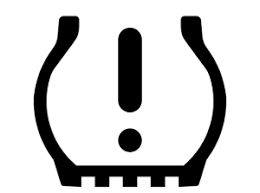
Proper tire pressure and tread are essential for safe driving in the winter. Cold weather can cause tire pressure to drop, so it’s important to check and inflate your tires regularly. Underinflated tires can lead to poor handling, reduced fuel efficiency, and an increased risk of a flat tire.
To check your tire pressure, you’ll need a tire pressure gauge. You can find the recommended tire pressure for your car in the owner’s manual or on a sticker inside the driver’s side door. Simply remove the valve cap, press the gauge onto the valve stem, and read the pressure. If the pressure is too low, add air until it reaches the recommended level. It’s a good idea to check your tire pressure at least once a month, and more often if you’re driving in cold weather.
In addition to maintaining proper tire pressure, it’s important to have sufficient tread on your tires for safe driving in wet and slippery conditions. To check your tread depth, use the penny test. Simply take a penny and insert it into the tread grooves with Lincoln’s head facing down. If you can see the top of Lincoln’s head, it’s time to replace your tires. If the tread is worn down to this level, your tires will have a harder time gripping the road, which can be dangerous in wet and slippery conditions.
To maintain tire tread, try to rotate your tires regularly. This helps to distribute the wear evenly and can help your tires last longer. You should also get your tires inspected regularly to check for any issues or uneven wear. If you notice that one tire is wearing down faster than the others, it could be a sign of a problem with your car’s suspension or alignment.
Windshield Wipers and Fluid
Winter weather can lead to dirty and streaky windshields, which can make it difficult to see while driving. To ensure that you have clear visibility, it’s important to maintain proper functioning of your windshield wipers and fluid.
If your wipers are leaving streaks or are not effectively clearing the windshield, it’s time to replace them. Wiper blades should be replaced at least once a year, and more often if you live in an area with harsh winters. When selecting new wipers, make sure to choose a high-quality brand that is specifically designed for winter weather.
In addition to having functioning wipers, it’s important to use the right type of fluid. Most windshield wiper fluids are made with a mixture of water and a cleaning agent, but in colder temperatures, you may need to use a special winter wiper fluid. These fluids are designed to resist freezing and can help to keep your windshield clear and clean in the cold.
Heating and Defrosting Systems
A functioning heating and defrosting system is essential for driving comfort and visibility in the winter. If your heating system isn’t working properly, you may find it difficult to stay warm while driving, and if your defrosting system isn’t functioning, you may have difficulty seeing out of your windshield.
To maintain your heating and defrosting systems, it’s important to have them inspected regularly. If you notice that your heating or defrosting system isn’t working as well as it should, it’s a good idea to have it checked out by a mechanic.
If you’re experiencing issues with your heating or defrosting system, there are a few things you can try. First, make sure that the vents are open and that the thermostat is set to the right temperature. You can also try replacing the cabin air filter, as a dirty or clogged filter can cause issues with the heating and defrosting systems.
Conclusion
By being proactive and addressing potential issues, you can help ensure that your car stays safe and reliable throughout the winter months. From maintaining your battery and preventing frozen pipes and hoses to checking your tire pressure and tread and keeping your wipers and fluid in good condition, there are a number of steps you can take to prevent common winter car problems. By prioritizing regular maintenance and taking care of any issues as they arise, you can help ensure a smooth and stress-free winter driving season.