

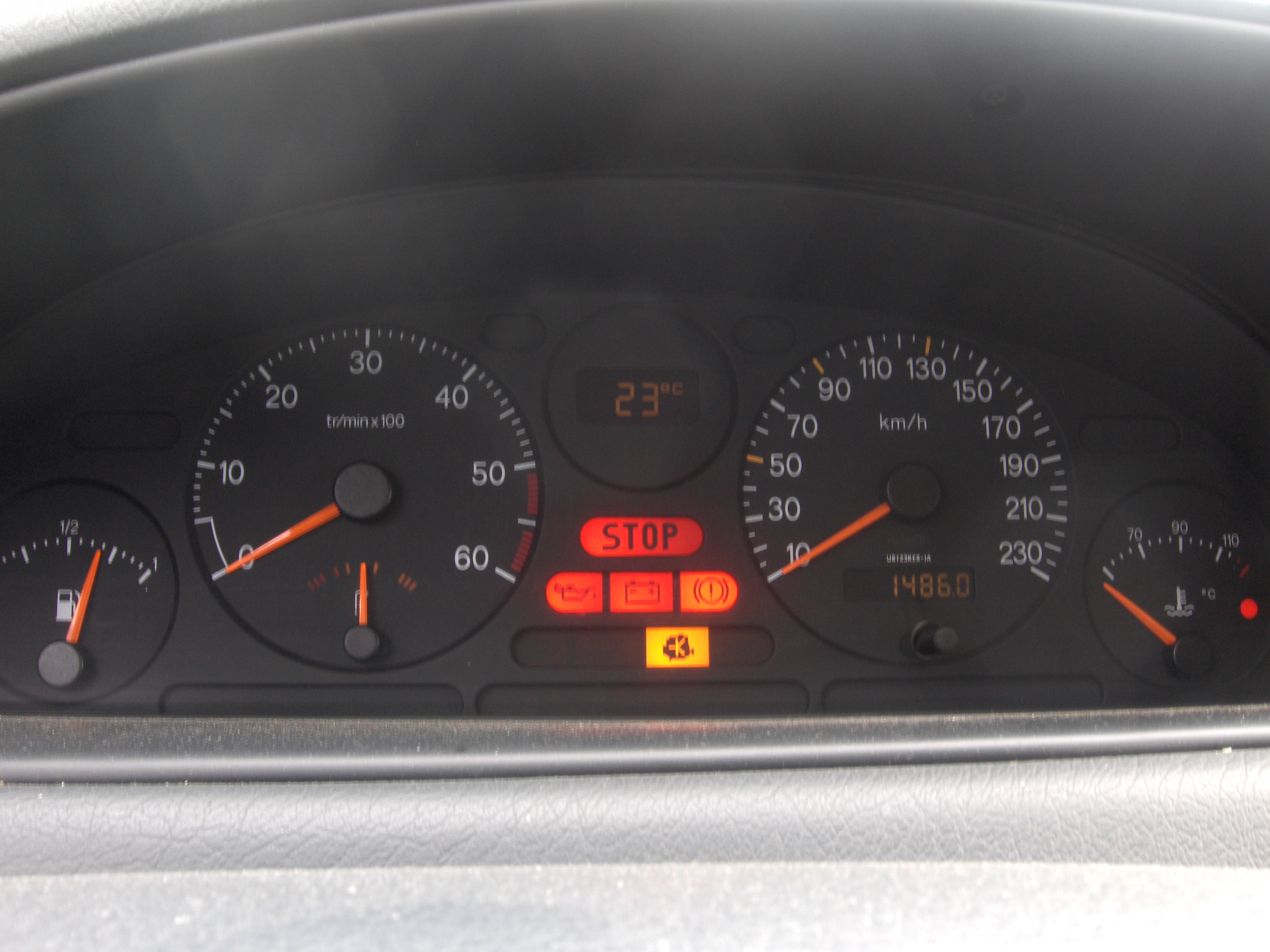
When it comes to maintaining the health of your car, paying attention to warning lights on the dashboard is crucial. But with so many different lights and symbols, how do you know what each one means and what action to take? In this post, we’ll explore the different warning lights that may appear on a car’s dashboard and provide guidance on how to interpret and address them.
Overview of common warning lights
There are various warning lights that may appear on a car’s dashboard, each corresponding to a specific issue or system in the vehicle. Some of the most common warning lights include:
- Check engine light: This light typically appears as an engine symbol and indicates a problem with the car’s engine or emission control system.
- Oil pressure light: This light, which may appear as an oil can symbol, indicates a problem with the oil pressure in the car’s engine.
- Battery light: This light, which typically appears as a battery symbol, indicates a problem with the car’s battery or charging system.
- Coolant temperature light: This light, which may appear as a thermometer symbol, indicates that the car’s engine is overheating.
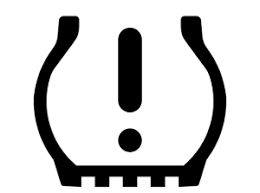
- Tire pressure light: This light, which typically appears as a tire symbol with an exclamation mark, indicates that the tire pressure in one or more tires is low.
Interpretation of warning lights
It’s important to understand what each warning light means in order to take appropriate action. Here are some guidelines for interpreting and addressing the different warning lights:
- Check engine light: If the check engine light appears on the dashboard, it’s important to address the issue as soon as possible. This light can indicate a wide range of issues, from a faulty sensor to a more serious problem with the engine. If the light is flashing, it’s generally a sign of a more urgent issue that requires immediate attention. If the light is solid, it may still be serious, but it’s generally not an emergency. In either case, it’s a good idea to have the car checked by a mechanic as soon as possible to determine the root cause of the problem.
- Oil pressure light: If the oil pressure light appears on the dashboard, it’s important to stop the car as soon as it is safe to do so and turn off the engine. This light indicates a problem with the oil pressure in the engine, which can lead to serious damage if not addressed promptly. It’s generally a good idea to have the car towed to a mechanic to have the issue addressed.
- Battery light: If the battery light appears on the dashboard, it’s important to take action promptly to avoid being stranded. This light indicates a problem with the car’s battery or charging system, which can prevent the car from starting. If the light is flashing, it’s generally a sign of a more urgent issue that requires immediate attention. If the light is solid, it may still be serious, but it’s generally not an emergency. In either case, it’s a good idea to have the car checked by a mechanic as soon as possible to determine the root cause of the problem.
- Coolant temperature light: If the coolant temperature light appears on the dashboard, it’s important to take action promptly to avoid overheating the engine. This light indicates that the car’s engine is getting too hot, which can lead to
- Tire pressure light: If the tire pressure light appears on the dashboard, it’s important to take action promptly to avoid a flat tire or a blowout. This light indicates that the tire pressure in one or more tires is low, which can affect the car’s handling and fuel efficiency. To address the issue, check the tire pressure in all four tires and add air as needed to bring the pressure to the recommended level. If the tire pressure light continues to appear on the dashboard after adding air, or if the tires are visibly damaged, it’s generally a good idea to have the car checked by a mechanic.
Common causes of warning lights:
Warning lights may be triggered by a variety of issues, ranging from minor problems to more serious issues that require immediate attention. Some of the most common causes of warning lights include:
- Malfunctioning sensor: Many warning lights are triggered by sensors that monitor various systems in the car, such as the engine, transmission, and brakes. If a sensor is not functioning properly, it may trigger a warning light on the dashboard.
- Low fluid level: Many warning lights are related to fluid levels in the car, such as oil, coolant, and brake fluid. If the level of one of these fluids is low, it may trigger a warning light on the dashboard.
- Worn or damaged parts: Warning lights may also be triggered by worn or damaged parts in the car, such as spark plugs, belts, or hoses. If a part is not functioning properly, it may trigger a warning light on the dashboard.
Tips for troubleshooting warning lights
If you see a warning light on your dashboard, it’s important to take action promptly to address the issue. Here are some tips for troubleshooting warning lights:
- Check the owner’s manual: The first step in troubleshooting a warning light should be to consult the owner’s manual for your car. The manual will generally include information on what each warning light means and what actions to take.
- Consult with a mechanic: If you’re not sure what a warning light means or what action to take, it’s generally a good idea to consult with a mechanic. A mechanic will be able to diagnose the problem and recommend the appropriate course of action.
- Don’t ignore warning lights: It’s important to address warning lights promptly, as ignoring them can lead to further damage or even a breakdown. If you’re not sure what a warning light means or what action to take, it’s generally a good idea to err on the side of caution and consult with a mechanic.
Conclusion
Understanding the different warning lights that may appear on a car’s dashboard is crucial for maintaining the health of the vehicle. By interpreting and addressing the different warning lights, you can take action to address any issues that may arise and protect your investment. Remember to consult the owner’s manual and seek the guidance of a trusted mechanic if you have any questions or concerns about warning lights on your dashboard. By staying vigilant and taking care of your car’s needs, you can help ensure that your vehicle stays in top condition and performs at its best.