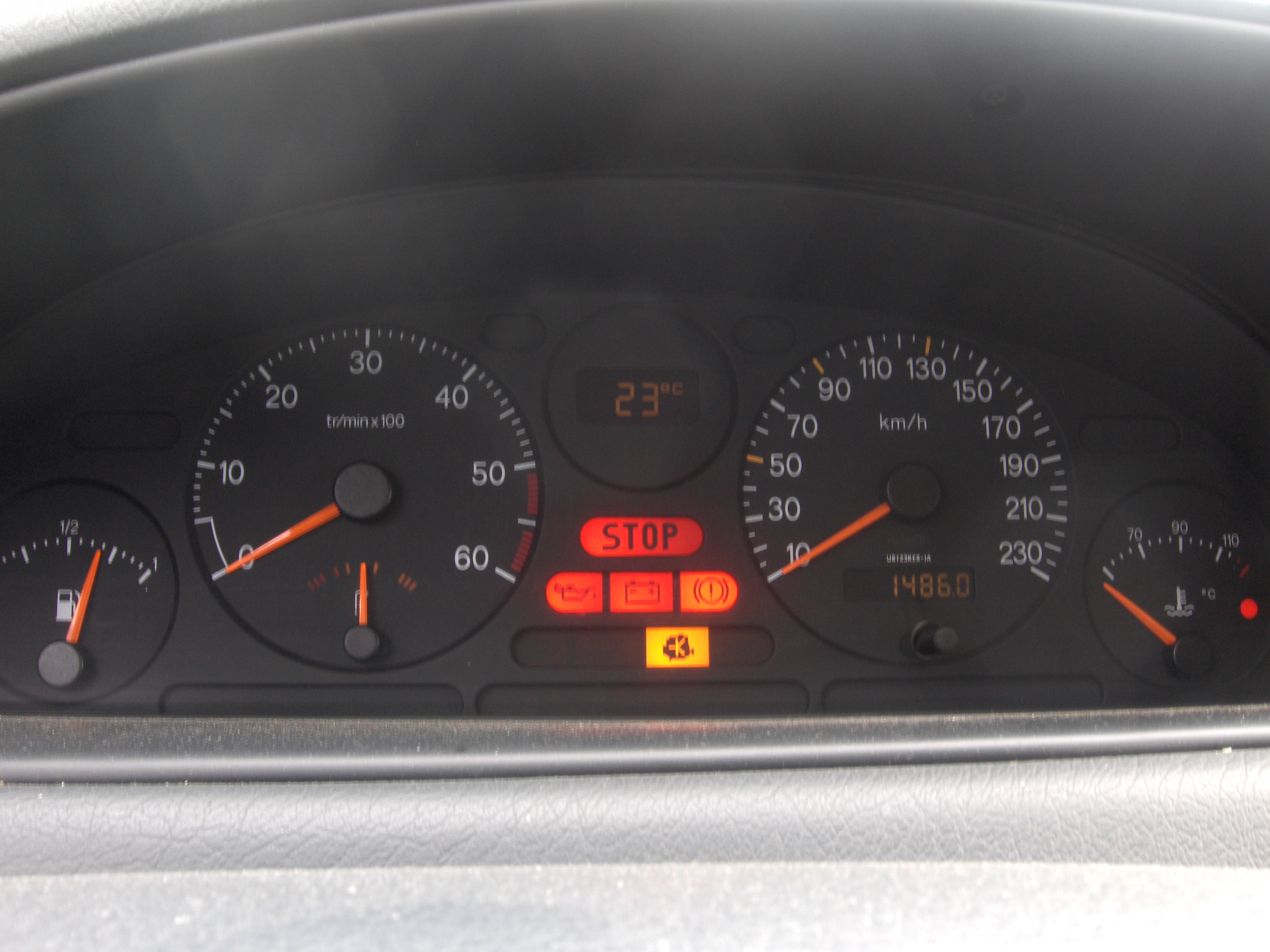


When it comes to driving, safety is of the utmost importance. Modern cars are equipped with a variety of safety features designed to help prevent accidents and protect passengers in the event of a collision. In this post, we’ll explore some of the most common and important car safety features that you should be aware of.
Lane departure warning
One safety feature that is becoming increasingly common in modern cars is lane departure warning. This feature uses sensors and cameras to detect when the car is drifting out of its lane and alerts the driver with a visual or auditory warning. This can help to prevent accidents caused by distracted or drowsy driving.
Automatic emergency braking
Another important safety feature is automatic emergency braking, which uses sensors to detect when a collision is imminent and automatically applies the brakes to help prevent or mitigate the impact. This feature can be especially helpful in situations where the driver is unable to react in time, such as when responding to a sudden stop or swerve.
Adaptive cruise control
Adaptive cruise control is a more advanced version of traditional cruise control that uses sensors to detect the speed and distance of other vehicles on the road. This feature automatically adjusts the speed of the car to maintain a safe following distance and can even bring the car to a complete stop if necessary. This can help to reduce the risk of rear-end collisions.
Blind spot monitoring
Blind spot monitoring is a safety feature that uses sensors to detect when there is a vehicle in the car’s blind spot and alerts the driver with a visual or auditory warning. This can help to prevent accidents caused by changing lanes or merging into traffic when there is another vehicle in the blind spot.
Rearview camera
A rearview camera is a safety feature that displays a live video feed of the area behind the car on a dashboard display or rearview mirror. This can help the driver to see objects or pedestrians that may be in the car’s blind spot when backing up or reversing.
Other safety features to consider
In addition to the safety features mentioned above, there are many other features that may be available on modern cars, such as:
- Airbags: Airbags are designed to deploy in the event of a collision to help protect passengers from impact. Most cars now have multiple airbags, including front, side, and curtain airbags.
- Stability control: Stability control is a safety feature that helps to prevent skids and rollovers by automatically applying the brakes and adjusting the engine’s power output.
- Traction control: Traction control helps to improve the car’s traction on slippery or uneven surfaces by automatically applying the brakes or reducing the engine’s power output.
- Electronic brakeforce distribution: Electronic brakeforce distribution is a safety feature that adjusts the brake pressure on each individual wheel to help ensure optimal braking performance.
Conclusion
Modern cars are equipped with a variety of safety features designed to help prevent accidents and protect passengers. By understanding and utilizing these features, you can help to keep yourself and your passengers safe on the road. It’s important to familiarize yourself with the safety features of your car and to consult the owner’s manual for information on how to use them. Additionally, it’s a good idea to keep your car’s safety features up to date by having them checked and serviced regularly by a mechanic. By staying informed and proactive about car safety, you can help to reduce the risk of accidents and keep yourself and your passengers safe on the road.